History of Bauhaus and Marguerite Wildenhain
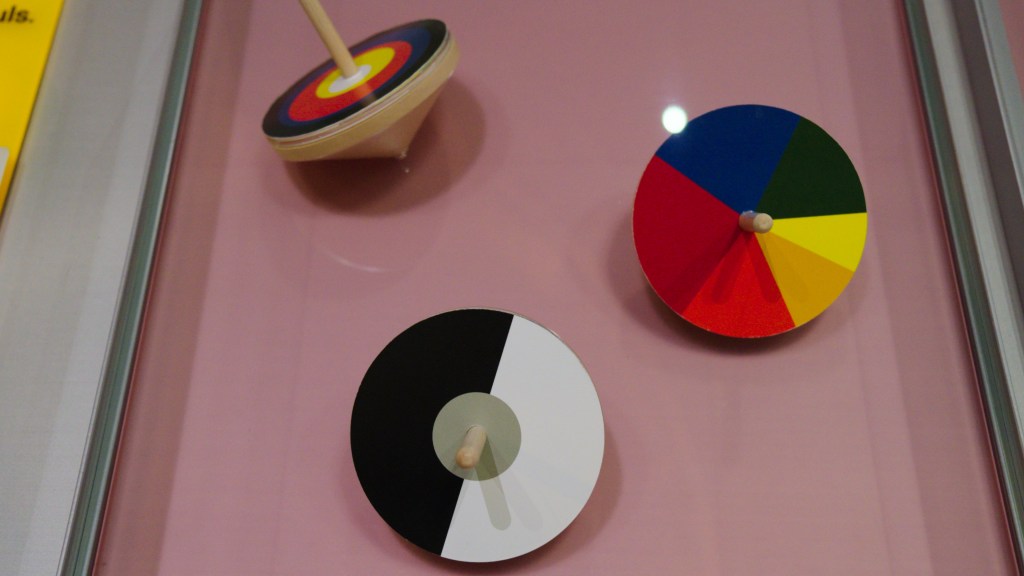
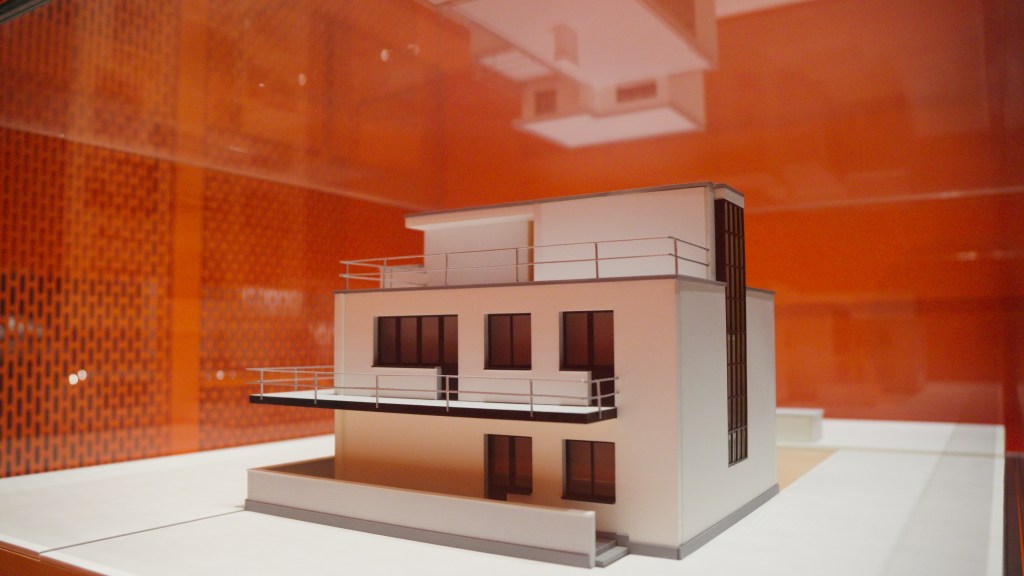
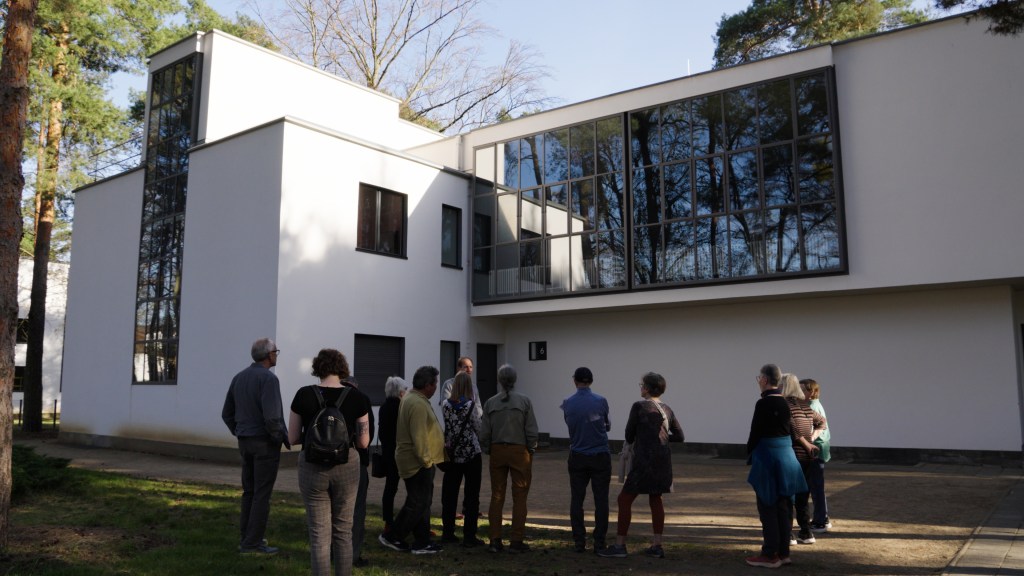
In 1919, the Bauhaus School was formed in the Weimar Republic by Walter Gropius with the intent to blend fine art and craft into a new concept: design. A perspective shift in how we think about art, production, and industry emerged from the uncertainty and chaos of World War 1; the Bauhaus trained artists of all mediums to shape this new culture.
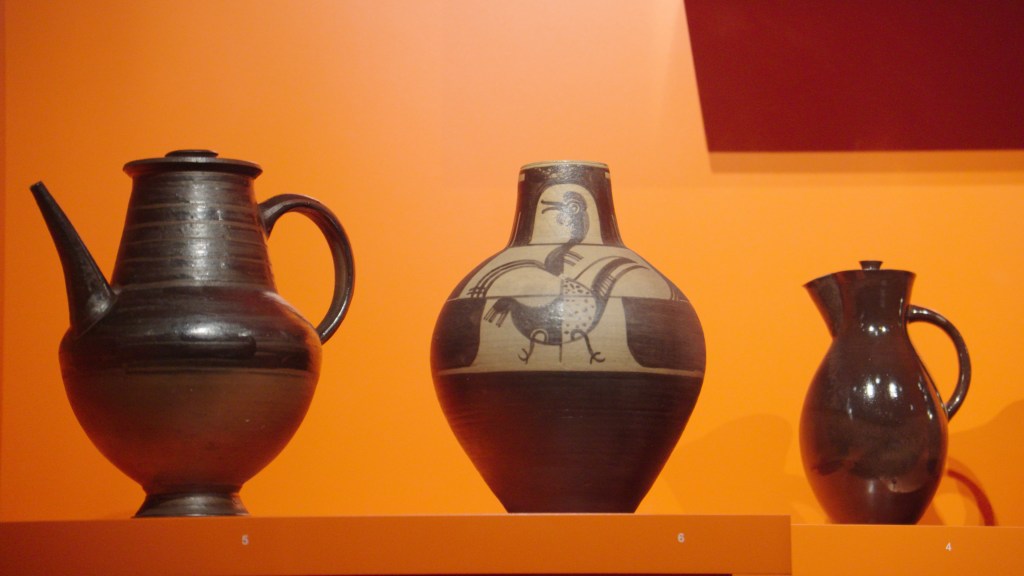
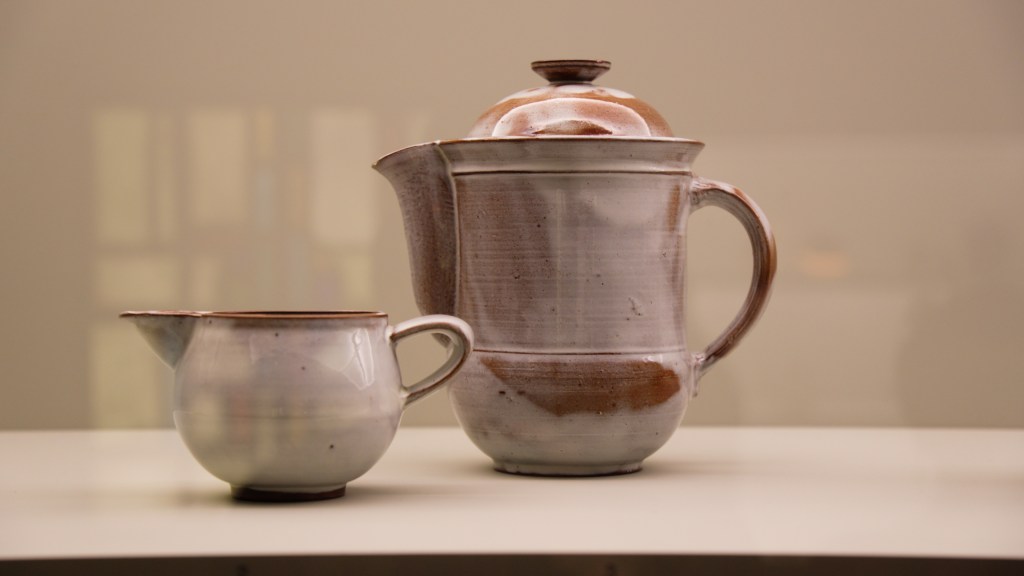
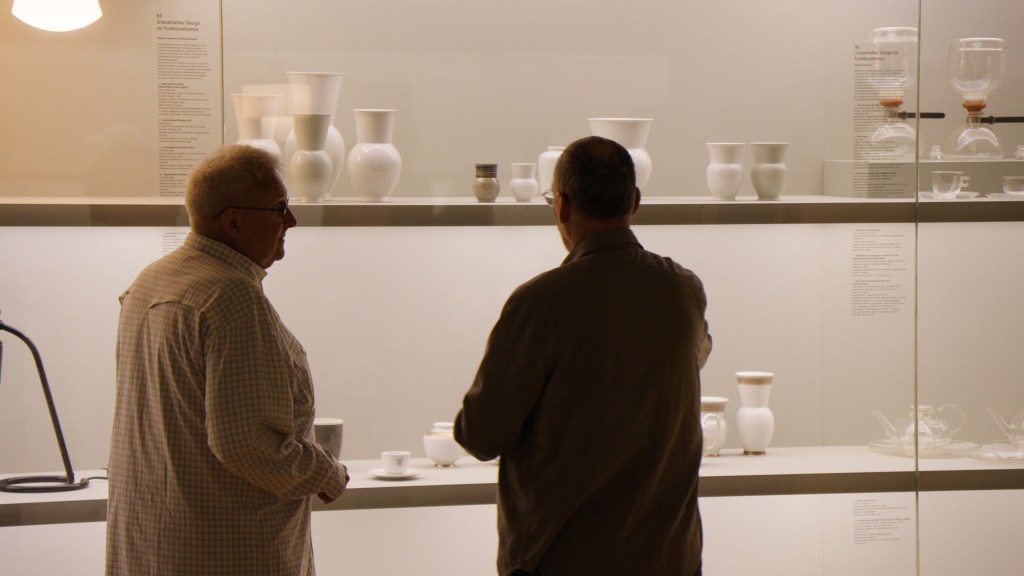
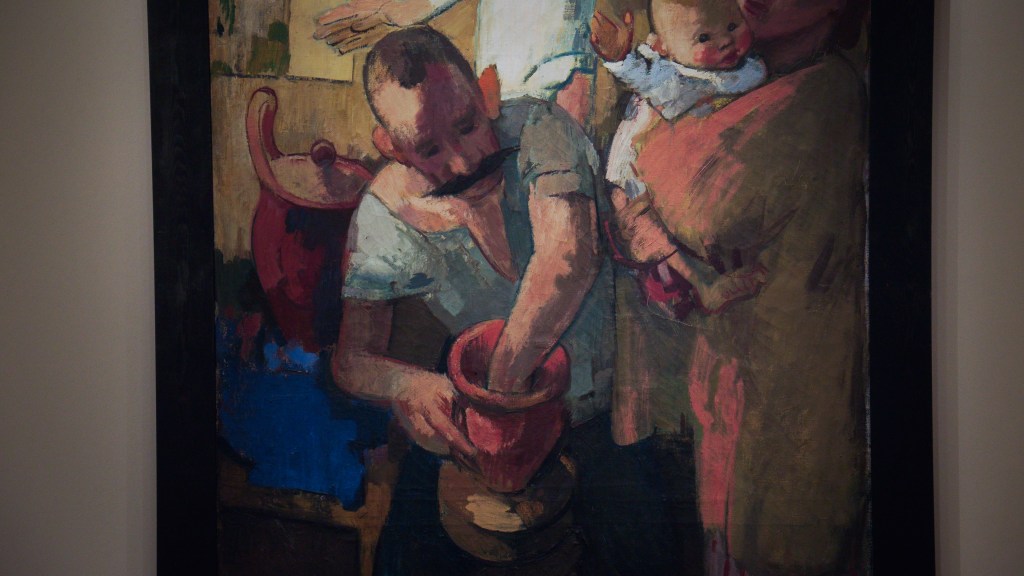
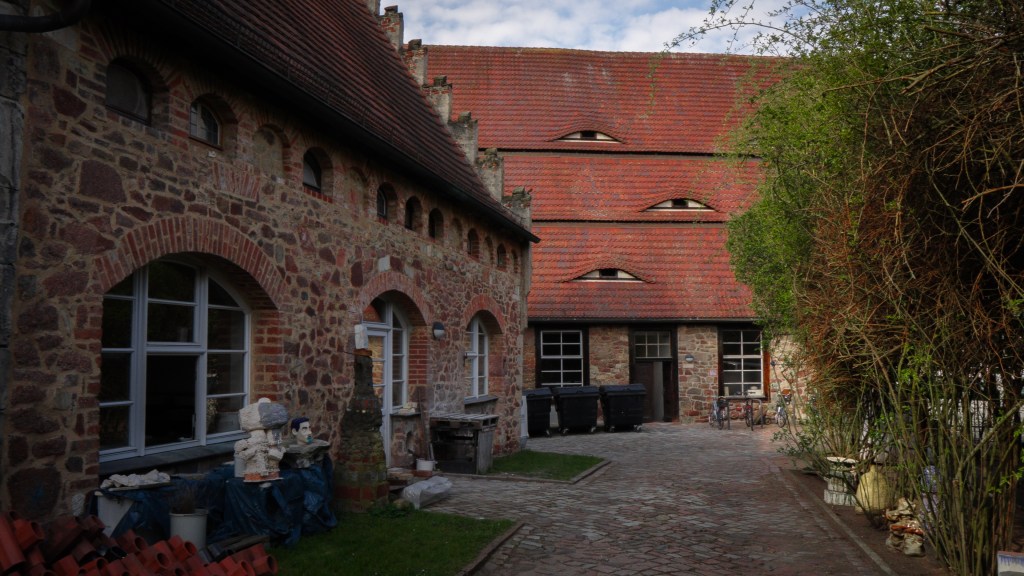
WW1 soldiers Max Krehan and Gerhard Marcks were tasked by Gropius to lead the Bauhaus’ pottery workshop in Dornberg. By her own account, Marguerite Friedlaender-Wildenhain was the very first student to enroll in this program. After studying for five years, Marguerite was inducted as a guild master in the German pottery guild, becoming the first woman to achieve the rank in European history. She was soon hired to lead the ceramics program at Burg Giebichenstein in nearby Halle, where she would design her endlessly influential porcelain dinnerware set for Royal Berlin. She soon became one of the greatest and most respected potters of her generation.
In 1933, Marguerite was forced to abandon her post at Burg Giebichenstein when the Nazi party came to power and demanded all teachers of Jewish heritage be fired. She fled to nearby Holland just days later. In 1940, after re-establishing her pottery shop with her husband Franz Wildenhain, Marguerite was forced to flee once again as the Nazis invaded Holland. She was granted passage to the United States while Franz was not. Marguerite eventually settled at the Pond Farm artists colony in the Redwood forests of California; it would be seven years before she saw her husband again at the end of the war.
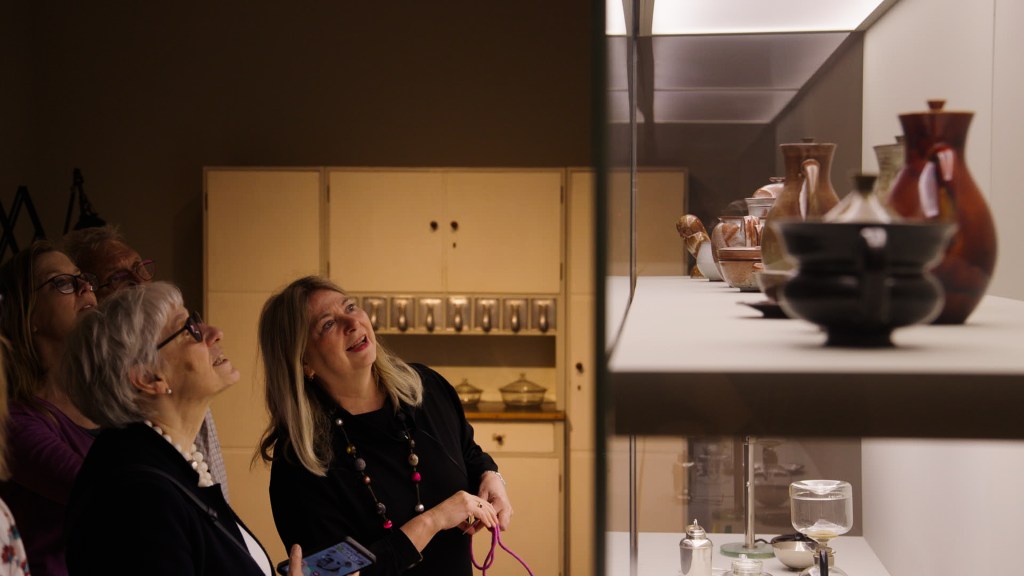
In many ways, Marguerite is a true example of the American Dream. Starting her life over from scratch once again, Marguerite quickly proved herself unmatched in ceramic arts in the United States and began to train students at her studio each summer until 1979. She made a profound impact not just on pottery as an artistic movement, training hundreds of renowned artists who succeeded her, but on the very fabric of modern design itself through her wildly popular Royal Berlin set. Marguerite’s work during and immediately following the Bauhaus distilled the essence of dinnerware and hand-crafted design into simple, precise forms whose DNA still persists in today’s products of industry.
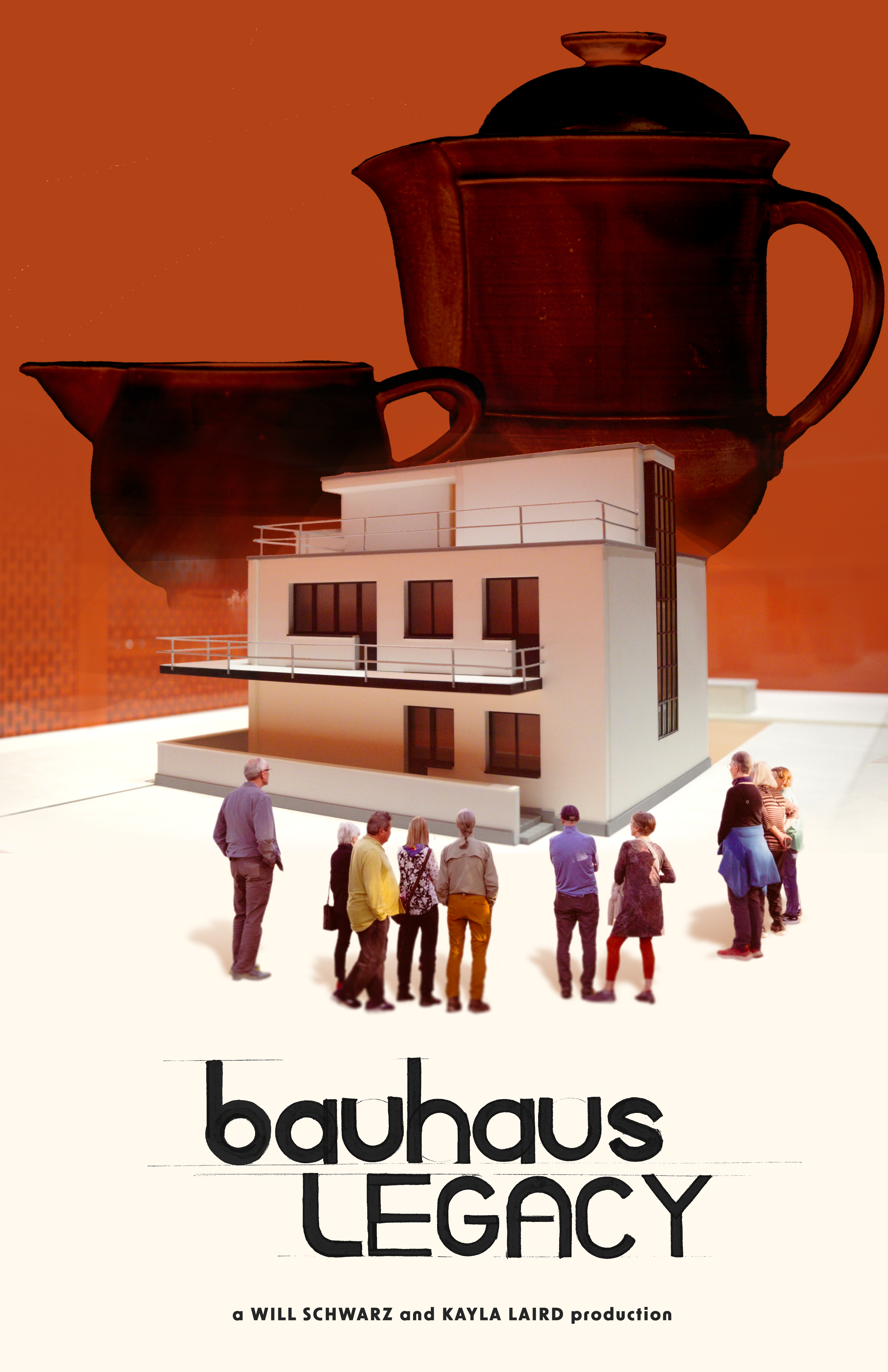
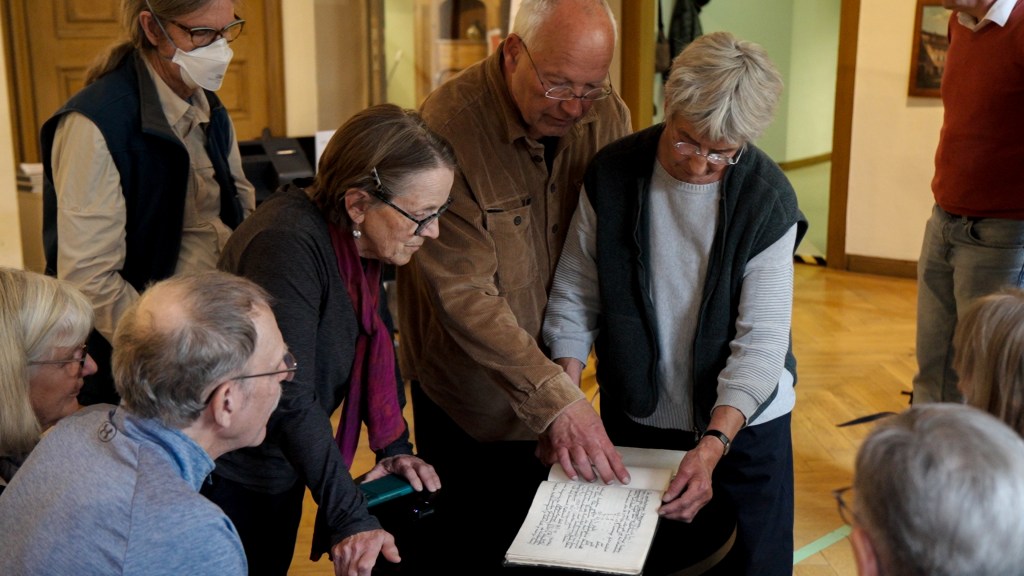
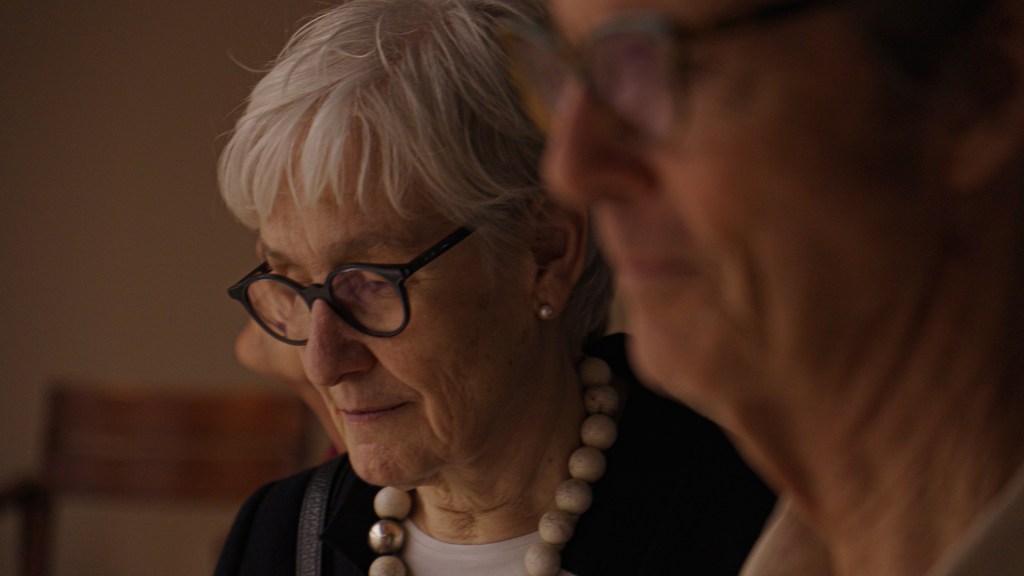
Bauhaus Legacy charts the influence of her work on modern culture, the extraordinary story of her life, and the stories of the students she left to continue her work. Through Marguerite, the teachings of an ancient guild dating to the 15th century were preserved through the most devastating war the world has ever seen and brought to an entirely new hemisphere. Her students are now the protectors of this heritage. Our film seeks to capture this incredible tale and share it on the big screen.


 Bauhaus Legacy